Set guides · 28 October 2026 · 6 min read
Panini Nobility soccer cards: the 2017 set, parallels and buying checks
A practical guide to 2017 Panini Nobility football cards: base cards, short prints, autograph identification, parallel numbering and buying singles.
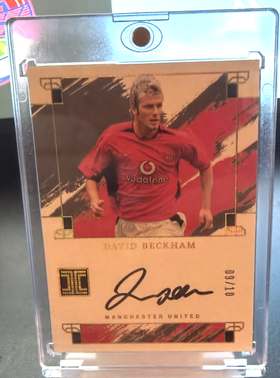
Panini Nobility is worth researching as a complete football-card set, not just as a name attached to an autograph listing. The 2017 soccer release combines a base checklist, short prints, inserts, numbered parallels and autograph cards. That makes identification especially important: two listings for the same player can describe very different cards. This guide focuses on the 2017 product, explains what the available references establish, and sets out a practical process for choosing a single. It does not make current-value promises or assume every scarce-looking card has the same print run.
What is 2017 Panini Nobility Soccer?
The debut soccer issue is a compact Panini product with a 100-card base checklist and a range of additional card types. Panini’s original product sheet, available through a third-party archive, identifies cards 81–100 as short prints. Beckett and Cardboard Connection also provide product overviews and checklist information. The original sheet is useful historical evidence, but it is not a currently maintained manufacturer shop page. When researching an individual card, cross-check these references with the card’s printed details rather than relying on a seller’s abbreviated title.
Base cards, short prints, inserts and autographs
A base card belongs to the main numbered set. A short print is a card produced less commonly than the regular base cards, but the label alone does not tell you its exact production total. An insert belongs to a separate themed set, while an autograph card adds a signature and its own authentication wording. A parallel is a version of a card with a different finish, colour or other distinguishing treatment. A card can combine several of these features. First identify its set and number, then work out which version you are looking at.
Understanding the 100-card checklist
The archived Panini sheet describes a 100-card base set, with numbers 81–100 as short prints. A collector completing the base checklist therefore needs to account for those less-common final entries rather than treating every missing number as equally easy to find. However, do not convert ‘short print’ into an invented serial-number limit. If the card is not explicitly numbered, its production total needs separate evidence. Also keep the base checklist distinct from autograph and insert checklists: a player’s appearance in one does not prove they have a card in every other category.
Panini Nobility parallel numbering
For the base parallels, the archived product sheet lists Red /199, Blue /99, Orange /49, Bronze /20, Gold /10 and Platinum 1/1. These figures apply to the base parallel information in that sheet. Do not automatically apply them to an autograph or insert with a similar colour name. Product summaries can differ when they describe another subset or version. The serial number printed on the actual card, together with the matching checklist entry, is the strongest starting point for identifying what a seller is offering.
Why the exact subset matters
Searching only ‘Panini Nobility autograph’ can bring together cards with different designs, signers, numbering and appeal. Write down the subset name as well as the player and year. Compare front layouts, reverse details and checklist entries. If one seller has left the subset out of a title, request a photograph instead of guessing from the asking price. The same discipline helps when searching for a particular player’s card: ‘2017 Panini Nobility’ plus the player, card number and autograph or parallel name is much more useful than the player’s name alone.
What should you expect from a sealed box?
Secondary product guides report two 20-card packs, or 40 cards per hobby box, with two autographs per box. Treat that as reported configuration and verify the original packaging and seller’s description before buying. An old product summary does not tell you whether a particular listing is a full sealed hobby box, a loose pack, opened stock or a repack. It also cannot establish how an individual box has been stored. Ask questions about seals, condition and exactly what is included rather than applying a full-box expectation to every Nobility listing.
Autograph and memorabilia claims need care
An autograph should be assessed through the card’s certification text and clear images, not only the seller’s use of ‘auto’ in the title. Check where the signature is placed and whether the listing identifies a sticker or on-card signature; do not assume a uniform format without release-specific evidence. Likewise, a memorabilia window does not prove match use. The archived sheet discusses a Pelé commemorative Santos jersey card, which is not evidence that all Nobility memorabilia is match-worn. Read the wording on the exact card before repeating any stronger claim.
Buying a player card without overpaying for the wrong version
Decide whether your goal is a player collection, a full base set, an autograph collection or a specific parallel run. Then shortlist cards that actually fit it. A base card may satisfy a player collection just as well as a much scarcer version; another collector may care mainly about the autograph. There is no universal best Nobility card for everyone. Establish your budget before comparing listings, and identify the card precisely so that a high-profile player or low serial number does not distract you from whether it is the version you intended to buy.
How to research Panini Nobility card values
Use completed sales where possible and match the exact year, player, subset, parallel and condition. Keep raw cards separate from graded cards, and read the grading company and grade rather than relying on the word ‘slabbed’. Record when a comparable sale happened and whether shipping or buyer charges were included. A thin sales history means uncertainty, not automatic rarity-driven value. This guide does not publish a price list because meaningful values require fresh evidence for individual cards. Old box prices and current asking prices are not interchangeable with completed single-card sales.
Condition checks for a 2017 release
A release year does not tell you how an individual card has been handled since it left the pack. Ask for well-lit photographs of both sides and inspect corners, edges, surface marks and the signature area where applicable. Reflections can hide or exaggerate marks, so request another angle if necessary. A seller’s description of ‘mint’ is not a professional grade. Once a card arrives, choose a sleeve and protective holder that fit its thickness; forcing a card into a tight holder can damage the very edges you are trying to protect.
Panini Nobility versus Topps Dynasty
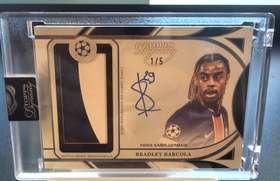
Nobility and Dynasty are not equivalent box formats. The 2017 Nobility product has a broader set structure and a reported multi-card hobby-box configuration. The inaugural Topps Dynasty UEFA soccer release centres on one encased autograph relic or autograph card per box, with very low numbering. That difference affects the collecting experience: one may suit someone exploring a checklist, the other someone pursuing a particular premium single or enjoying a single-card reveal. Neither format guarantees profit. Compare what you want to collect, not simply which brand sounds more exclusive.
From research to watching a live opening
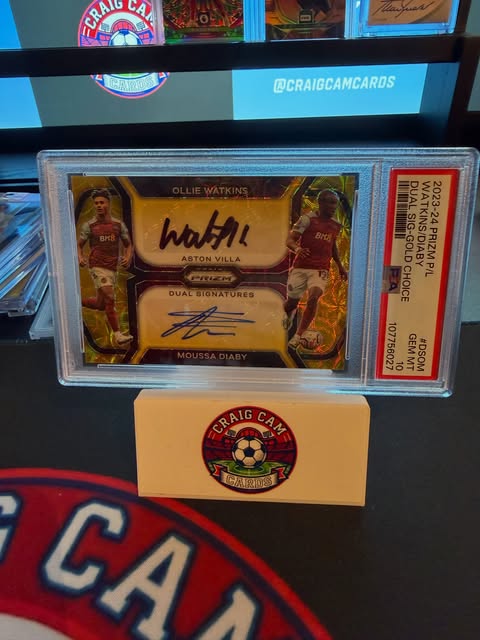
If a Nobility card appears in a football-card repack, its presence does not turn that repack into a sealed Panini Nobility box. Read the current repack description and any stated guarantee independently. Craig Cam Cards opens football-card repacks live on Whatnot, so you can watch the reveal rather than relying on a product label alone. The best next step for a specific Nobility search is still precise identification: the year, player, card number, subset and version. Bring those details to your research and you will make more useful comparisons than a broad search for ‘rare football cards’.
Sources and further reading
- Beckett: 2017 Panini Nobility Soccer overview ↗
- Cardboard Connection: 2017 Nobility checklist guide ↗
- Archived reproduction of Panini’s 2017 Nobility product sheet ↗
Product references checked on 28 October 2026. This guide is published by a football-card repack seller; it is not a manufacturer checklist or investment advice.
More collecting guides
Set guides · 28 October 2026
Topps Dynasty football cards: a collector’s guide to UEFA soccer releases
Understand Topps Dynasty soccer releases, low-numbered autographs and relics, and the checks that matter before buying a box or single card.
Beginners · 20 October 2026
What is a football card repack, and is it worth it?
Repacks get a bad name. Here's how a proper one is built, and why opening it live changes everything.
Collecting · 6 October 2026
Sleeve, toploader, done: protecting your hits
The two-minute routine that keeps a card mint from the wrapper to the binder.
New to Whatnot?
Claim your free credit.
Sign up through the link and Whatnot drops credit on your account for your first show.