Collecting · 4 November 2026 · 6 min read
Football card grading: a UK guide
Learn how to get football cards graded from the UK: choose a submission route, compare the full costs, prepare cards safely and avoid grade guarantees.
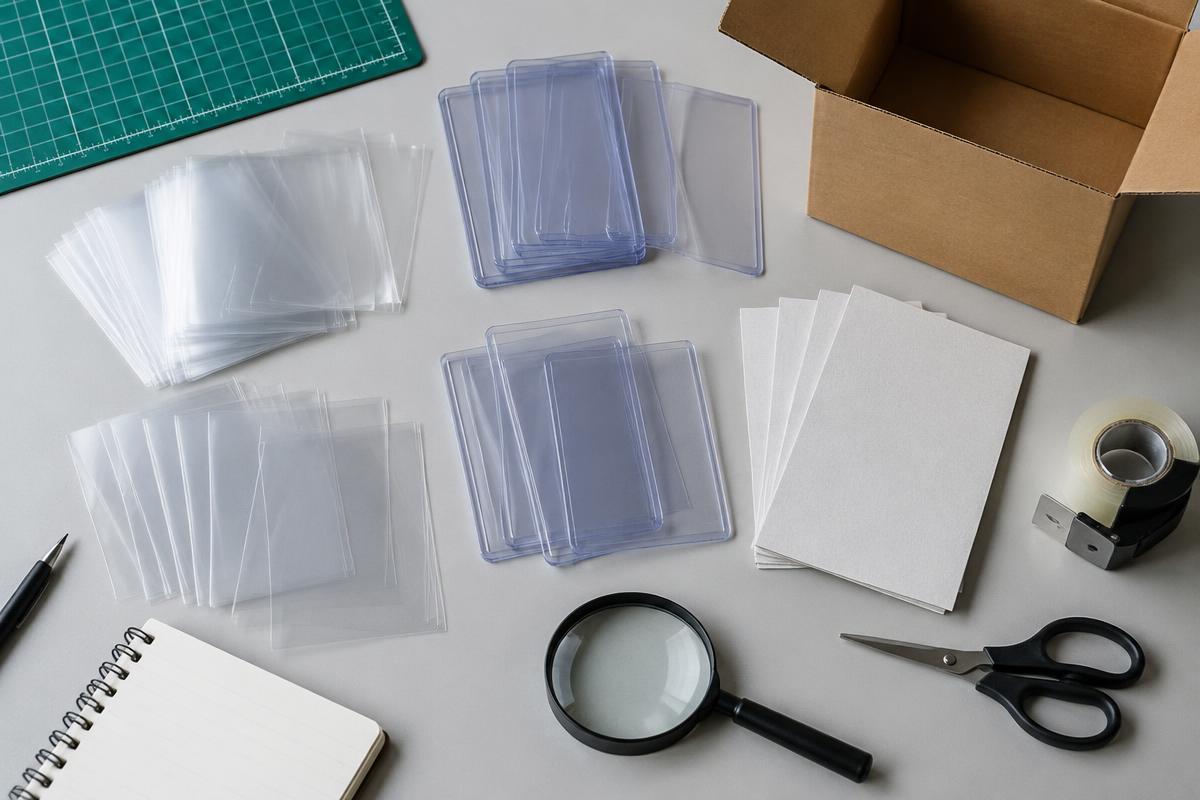
Getting a football card graded means sending it away for an assessment, not buying a guaranteed higher resale price. That sounds obvious, but it is easy to forget when a clean-looking rookie comes out of a pack. For a UK collector, the practical questions are which service accepts the card, where it needs to go and what the complete trip costs. A low advertised per-card fee is only one part of that decision. This guide walks through the submission process without predicting grades or quoting fees that could be out of date by the time you pack the box.
What does football card grading assess?
PSA describes authentication followed by condition grading. CGC also explains that authentication comes before grading and that questionable-authenticity cards can be rejected. Those are related but different questions: is the card genuine, and what condition is it in? A genuine card can still have worn corners, surface damage or poor centring. Do not confuse a card grade with a separate autograph-authentication service either. Check what the selected service actually includes, particularly for aftermarket signatures or unusual items. If your main question is the difference between two PSA grades, read our PSA 9 vs PSA 10 guide.
Decide why you want the card graded
You might want a protected, identified card for your own collection, or need a consistent description before selling. Either reason is more useful than assuming every raw card will become a valuable 10. Inspect the actual card under good light and compare recent sales of equivalent raw and graded examples. Our sold-price guide covers that comparison. If the full grading cost is difficult to justify, keeping the card properly sleeved is an option. Personal enjoyment can justify grading too, but be clear that you are paying for a service you want, not securing a return.
Choose a submission route from the UK
Go to the grader's official submission page before selecting a route. Direct submissions, regional offices and intermediary services have different arrangements. CGC UK's guidance describes shipping to its London submission office or arranging a drop-off appointment, subject to its current rules. Beckett Europe's checked page says online UK submissions are unavailable and directs UK bulk enquiries to contact the company. That can change, so confirm before posting anything. For PSA, check the live submission options and shipping requirements for your location and chosen service. Do not assume an address mentioned in a forum is still an authorised destination.
If you use an intermediary, ask these questions
An intermediary can coordinate paperwork and shipping, but you are also trusting another business with your cards. Ask who takes custody, which grader and service will be used, how the cards are individually recorded, and what the insurance covers at each stage. Request the full fee schedule, including return postage and any handling charge. Find out how delays, loss or disputed descriptions are handled and what tracking information you receive. Keep the agreement. A logo on a website is not enough to establish an official relationship, and a promised grade should be a reason to question the offer, not a reason to pay.
How much does football card grading cost?
There is no single UK price that covers every card and route. Add together the selected service fee, any required membership or intermediary charge, outbound delivery, return delivery and relevant insurance. Check VAT treatment and any customs or other charges that apply to the route; do not assume a headline fee is the final bill. CGC UK's current fees page and PSA's submission centre are better references than an old social post. Declared-value limits can affect the appropriate service. Read how the company defines value and coverage rather than treating a declared amount as an appraisal or an unconditional insurance promise.
Enter the exact card details
Before completing the form, identify the player, season, manufacturer, set, checklist number and variation. Include the numbered run, autograph or relic details where relevant. A Bellingham Bundesliga card and a UEFA Chrome card are different submissions, even from the same season; our Bellingham rookie guide illustrates the distinction. Keep private front and back photographs and put the cards in the order listed on the form. Recheck the quantity and details before sealing the parcel. Good records help establish what you sent; they do not replace the grader's assessment or the carrier's terms.
Prepare cards without trying to improve them
Use a clean, dry workspace and handle cards carefully by the edges. Do not trim, polish or chemically treat a card in an attempt to manufacture a better result. Follow the selected company's current holder instructions, especially for thick, oversized or unusual items. PSA's shipping guide calls for a clear penny sleeve inside a semi-rigid holder rather than a toploader. CGC's instructions also describe protective sleeves and semi-rigid holders, but check the precise rules for your submission rather than borrowing one company's process for every service. Ordinary storage and submission packaging are not necessarily the same thing.
Pack, track and keep the paperwork
Follow the grader's packing order, include the requested submission paperwork and use its specified protective materials. Avoid loose cards moving around inside the box or adhesive where it could touch a card. Use an appropriate tracked shipping service and read the carrier's coverage limits, exclusions and claims process before relying on insurance. Keep the posting receipt, tracking reference, photographs and order confirmation together. Our card protection article covers everyday care; a grading parcel needs the additional requirements of the company receiving it. Verify the address directly on that company's current instructions.
Turnaround estimates and the returned cards
An estimated processing time is not a guaranteed delivery date, and it may exclude transit or other stages. Do not promise a buyer you will have the card back by a particular match or card show unless you can actually meet that commitment. When the cards return, compare the labels, quantities and certificate details with your submission records. Follow the grader's official process promptly if anything is wrong. The outcome may be a lower grade than you hoped. That does not automatically mean resubmission is sensible: another trip adds costs and still does not guarantee an upgrade.
You can collect without grading everything
A binder, a properly fitted holder or a small display can be enough for the cards you enjoy. Start with one clearly understood submission rather than sending everything because you feel a collection must be slabbed. Our budget collecting guide helps keep supplies and services within your hobby spending. You can also watch Craig's openings without expecting every pull to become a grading candidate. A repack does not guarantee a particular player, condition grade or resale result. Grading should support the collection, not become another expense you have to recover through the next opening.
Sources and further reading
- PSA: trading card authentication and grading ↗
- PSA: submission services and current options ↗
- PSA: official packaging and shipping instructions ↗
- CGC UK: grading process ↗
- CGC UK: submission questions and London office ↗
- CGC UK: current services and fees ↗
- CGC: packaging instructions ↗
- Beckett Europe: submission route and UK availability ↗
References checked on 4 November 2026. This guide is published by a football-card repack seller; it is not a manufacturer checklist or investment advice.
More collecting guides

Players · 4 November 2026
Jude Bellingham rookie cards: a guide
Compare documented Jude Bellingham rookie cards from Topps NOW and Chrome, understand the RC label, and check sets, condition and sales before buying.

Collecting · 3 November 2026
How to check football cards value
Find football card values using comparable sold listings, not hopeful asking prices. Check the exact set, parallel, grade, date and delivery cost.

Collecting · 3 November 2026
PSA 9 vs PSA 10 football cards
Understand PSA Mint 9 and Gem Mint 10 football cards, compare condition and sold prices, and decide whether a higher grade fits your collection.
New to Whatnot?
Claim your free credit.
Sign up through the link and Whatnot drops credit on your account for your first show.