Beginners · 29 October 2026 · 8 min read
Buying new football cards: a box guide
Where to buy new football cards, how to compare hobby and value boxes, and checks for fake cards or resealed packaging before you spend your money.
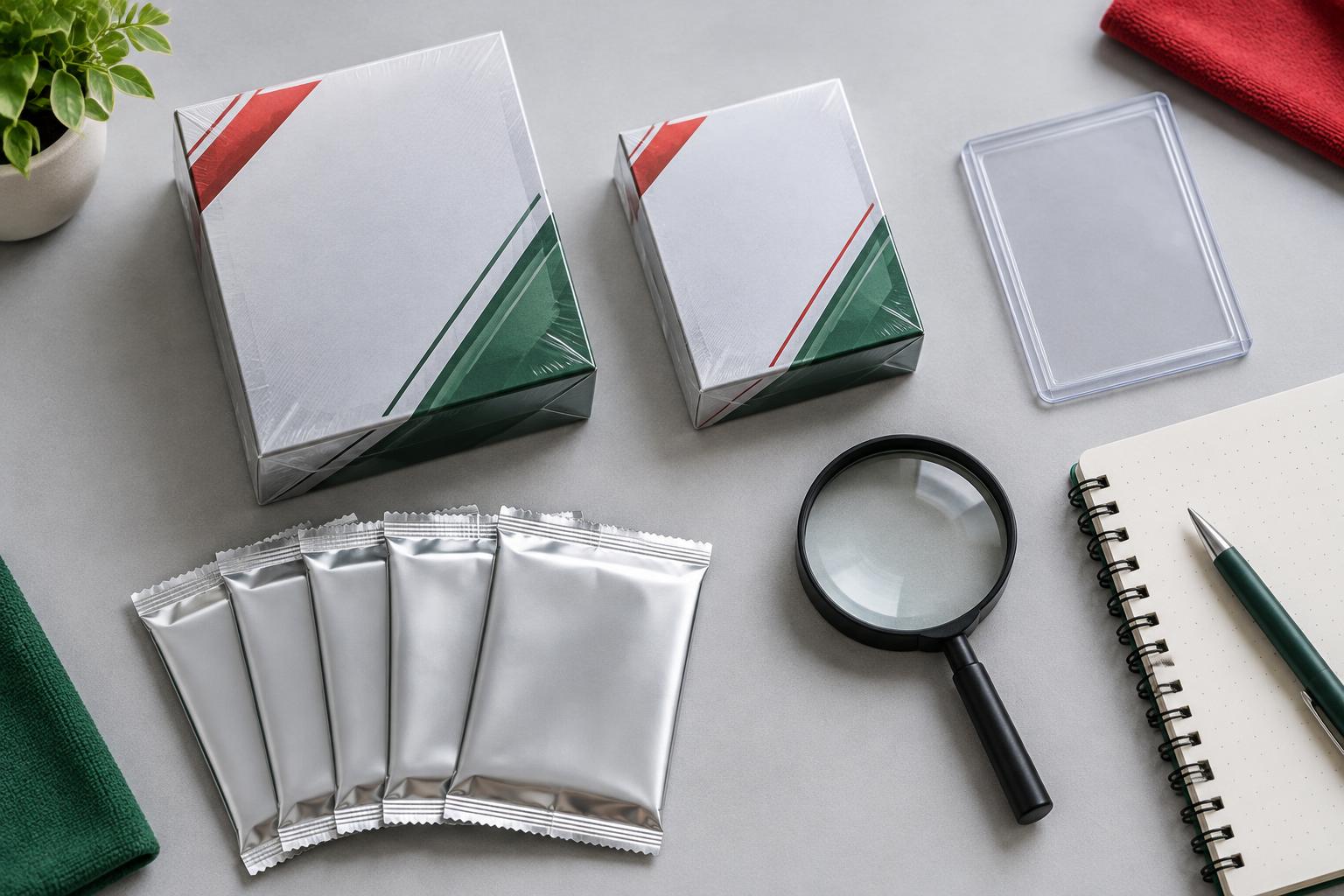
A new football-card release can look straightforward until you try to buy it. One shop has a hobby box, another has a value box, and a marketplace seller has something cheaper with almost the same name. Then there are loose packs, pre-orders and single cards appearing as collectors open their boxes. The sensible starting point isn't the biggest discount. It's working out exactly what you're buying, who you're buying it from and what the listing actually promises. This guide covers those checks, including the limits of trying to spot fakes from photographs.
Decide what you want before choosing a box
Are you collecting your club, building a base set, chasing an autograph or simply enjoying an opening? Those are different reasons to spend money. If you want one particular player or parallel, compare the cost of buying that single with the cost of opening sealed product. Neither route guarantees a bargain, but a single lets you choose the card rather than hope it appears. If opening is the fun part, set a total budget you can comfortably spend without needing the contents to repay it. Our football-card releases guide is a starting point for choosing a product, not a list of guaranteed winners.
Where to buy new football-card releases
Start with the manufacturer's official shop and product information. For Topps releases, the Topps UK shop is a useful place to establish the exact product name and configuration. For another manufacturer, use its own official information rather than carrying Topps' terminology across. Direct stock, release timing and regional availability can change, so check the current listing rather than assuming a product is on sale. Established card shops are another route: look for a clearly identified business, contact details, delivery information and written terms. If a seller claims to be an authorised retailer, verify that claim through the manufacturer where possible; a logo on a shop page isn't proof.
Buying from marketplaces and live sellers
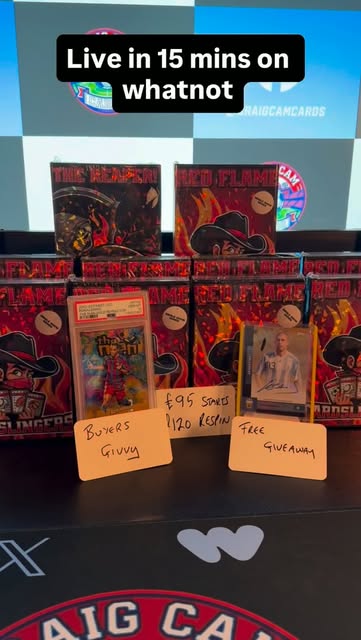
Marketplaces can help you compare sealed boxes and singles, but the platform name doesn't establish that an individual listing is genuine. Read recent seller feedback, particularly complaints about the same kind of item, and ask questions before paying. For a resale box, request photographs of the actual item rather than relying only on a manufacturer's promotional image. Keep payment and messages within the platform so you don't voluntarily lose its protections. On a live sale, confirm whether you're buying a sealed box, an opening, a team spot or a repack. Those are different purchases with different terms. Craig's Whatnot page and repack buyer's guide explain his part of the hobby; repacks aren't the manufacturer's original sealed release.
Compare the full product name, season and format
Write down the manufacturer, set, season, format and product code or SKU where one is provided. A listing that says only ‘Topps UEFA box’ doesn't give you enough to compare it properly. Different seasons, competitions and formats can share similar artwork. As a documented example, Topps' 2024/25 Chrome UEFA Club Competitions Hobby page lists SKU FGC006116-DB-UK, 20 packs with four cards per pack and one Chrome autograph per box. Those details belong to that specific product; they are not a promise for 2026/27 Premier League boxes or every Chrome release. Our Topps Premier League 2026/27 guide deals with that release separately.
Hobby, value and retail boxes: what actually changes?
Don't treat ‘hobby’ as a universal guarantee of an autograph or ‘value’ as a promise of better value for money. Read the manufacturer's description for each format. Topps' 2024/25 UEFA Club Competitions box explainer distinguishes hobby and value products and describes format-specific features. Other releases have their own arrangements. Compare pack count, cards per pack, stated guaranteed contents, exclusive inserts or parallels and published odds for the exact format. If the manufacturer hasn't published something, mark it as unknown. A seller's phrase such as ‘loaded with hits’ isn't a substitute for a stated configuration.
A simple box-comparison checklist
Put competing listings side by side and record these details: • Exact set, season, format and SKU. • Packs per box and cards per pack. • Guaranteed contents, quoted in the manufacturer's wording. • Format-exclusive cards and relevant checklist or odds links. • Box price, delivery, applicable taxes and any import charges you can establish. • Seller identity, dispatch date and returns or problem-reporting terms. Compare the total delivered cost for the same item first. Cost per pack or per card can be useful for set building, but it won't tell you the quality of the contents or the chance of pulling your favourite player. If important details are missing, ask before buying rather than filling the gaps with assumptions.
Read guarantees and odds without turning them into promises
‘One autograph or relic’ doesn't mean one of each. A statement about average contents isn't identical to an explicit guarantee. Even a guaranteed autograph doesn't promise a particular player, condition grade or resale price. Read the complete wording and any qualifications on the exact product page. Published pack odds describe insertion rates, not a schedule in which your next pack must deliver a hit. Similarly, a card numbered /25 tells you its stated run, not your chance of finding it. Our serial numbers guide covering /99, /25 and 1/1 explains that distinction and how numbering relates to parallels.
Pre-orders, loose packs and opened boxes
For a pre-order, check whether the date is a confirmed manufacturer release date or a retailer estimate, when payment is taken and what happens if dispatch is delayed. Save the description and terms at the time you order. With loose packs, ask how they were sourced; you usually have less information about their handling than with an unopened box. An opened box being sold as a collection of remaining packs isn't the same as a factory-sealed box. None of that proves dishonesty, but it changes the purchase. Don't assume a box-level guarantee still applies to a handful of packs removed from it.
How to spot warning signs of a resealed box
Compare photographs with reliable materials for the exact release and format. Look for inconsistent product wording, mismatched codes, unusual extra tape, damaged closures or wrapping that appears to have been disturbed. Ask for clear views of the sides, bottom and seals if those areas are hidden. These are reasons to investigate, not a universal counterfeit test: legitimate packaging can vary, and genuine boxes can suffer delivery damage. A convincing-looking seal doesn't prove a box has never been opened. Be wary of a seller who won't show the actual item, changes the explanation when questioned or pressures you to pay before you can check it.
How to check a football card that might be fake
For a single card, request sharp photographs of the front, back, edges and any autograph, serial stamp or certification wording. Match the year, checklist number, design and parallel with the correct checklist and reliable examples. Blurry printing, inconsistent details or a description that doesn't match the photographs warrant questions, but phone cameras, lighting and genuine print variations can also mislead. A shiny finish or low serial number isn't authentication. Neither is a seller calling something ‘custom’: establish whether it is an official card, a disclosed reproduction or a fan-made item before deciding what you're prepared to buy. If doubts remain, walk away or seek a suitable professional opinion; photographs alone can't settle every case.
Graded cards: check more than the certificate number
A grading holder can provide useful information, but a database match isn't conclusive proof. PSA warns that counterfeit labels can copy genuine public certification numbers. Use PSA's certificate lookup, compare the returned details and any available images with the physical card, and inspect the holder using the grader's own guidance. PSA describes its holders as tamper-evident, not tamper-proof. If the holder, label and card disagree, stop. For other grading companies, use their official verification tools rather than assuming PSA's checks or holder features apply.
Buyer protection has conditions
eBay UK's trading-card Authenticity Guarantee applies to eligible listings carrying the badge; it isn't blanket authentication for everything sold on eBay, including every sealed box. Read the current eligibility, exclusions and claim procedures on the official service page. For a purchase that is missing, faulty or misdescribed, Citizens Advice recommends contacting the trader first and explains possible card-provider and PayPal routes. Your options depend on the payment method and circumstances. Keep the listing, messages, receipt and photographs, and check applicable reporting deadlines promptly rather than assuming any payment will automatically be refunded.
What to do when your order arrives
Check that the item matches the season, format and quantity you ordered before opening it. Photograph the outer parcel and any unexpected damage or disturbed seals. If you suspect tampering, retain the packaging and contact the seller or platform before changing the item's condition. Documenting an opening may help explain what happened, but it doesn't itself guarantee a successful claim. Once you're happy to open, have sleeves and suitable holders ready. Our card protection guide covers handling the cards without damaging corners or forcing thick relics into the wrong holder.
The quick version before you pay
Know the exact product. Verify the box contents against the manufacturer, compare the full delivered cost, check the seller and keep payment protected. Treat unusually cheap listings as something to investigate, not automatic proof of a fake or a bargain. Don't rely on one seal, one photograph or one certificate number. Most importantly, buy for the collection or opening you actually want, within a budget you can afford. There will always be another release; you don't need to rush into a listing that leaves basic questions unanswered.
Sources and further reading
- Topps UK: 2024/25 Chrome UEFA Club Competitions Hobby product configuration ↗
- Topps: comparing 2024/25 UEFA Club Competitions box formats ↗
- Topps: 2024/25 UEFA Club Competitions checklist spotlight ↗
- PSA: security buyer's guide ↗
- PSA: certification verification and counterfeit-label warning ↗
- eBay UK: trading-card Authenticity Guarantee ↗
- Citizens Advice: recovering a card or PayPal payment ↗
References checked on 29 October 2026. This guide is published by a football-card repack seller; it is not a manufacturer checklist or investment advice.
More collecting guides
Beginners · 29 October 2026
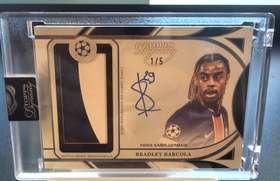
Football card serial numbers explained
What do /99, /25 and 1/1 mean on football cards? Learn to read serial numbers, identify parallels and compare the right cards before buying.
Set guides · 28 October 2026
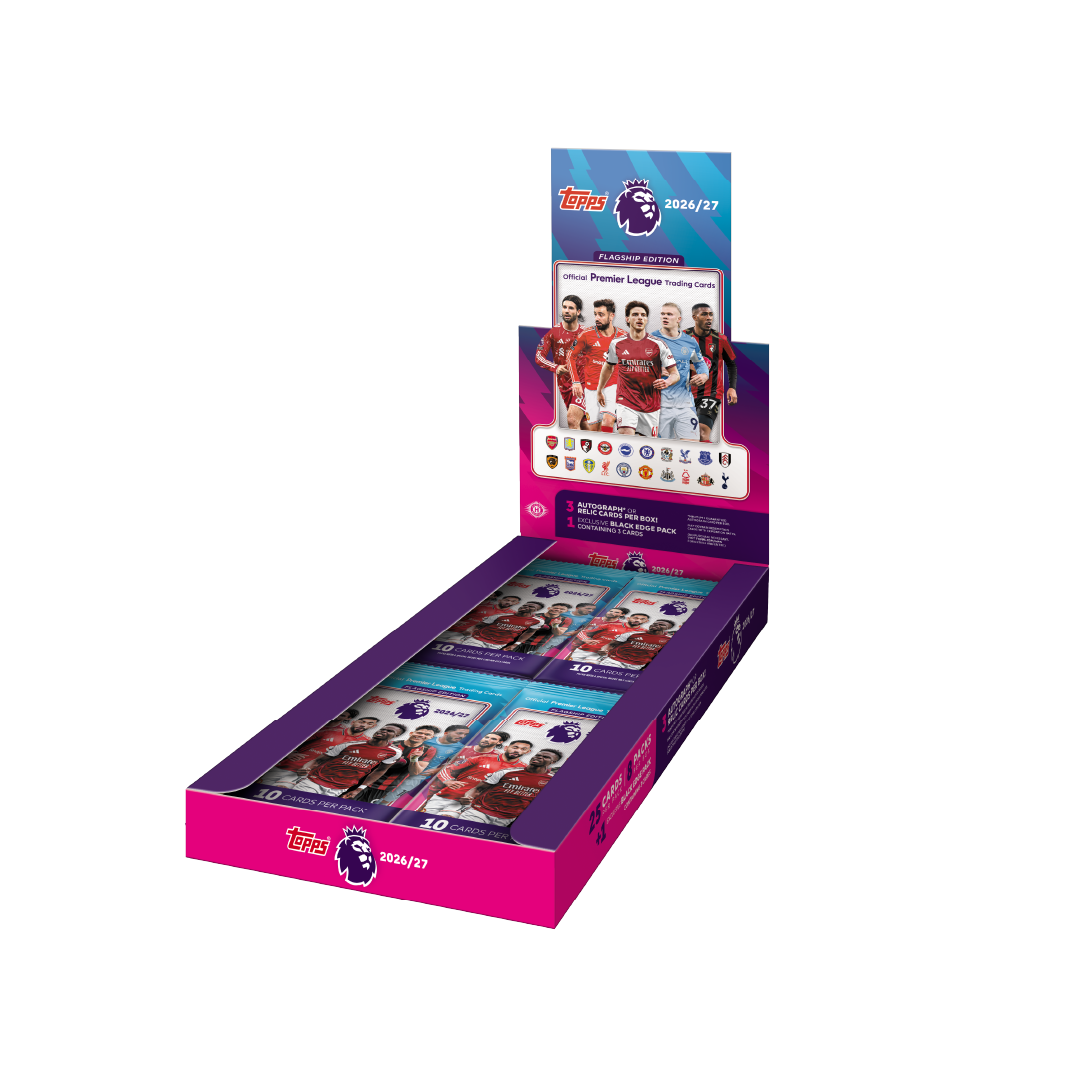
Topps Premier League 2026/27 cards guide
A plain-English guide to Topps Premier League 2026/27 football cards: hobby vs value boxes, inserts, short prints, rookies and autographs.
Releases · 28 October 2026
Football card releases to watch in 2026/27
The football cards worth watching this season, from Topps Premier League 2026/27 to Merlin Chrome, plus tips for buying new releases sensibly.
Beginners · 28 October 2026
Football card repacks: a buyer's guide
What's actually inside a football card repack, how it differs from a sealed box or a break, and the questions to ask before you buy one.
New to Whatnot?
Claim your free credit.
Sign up through the link and Whatnot drops credit on your account for your first show.