Collecting · 4 November 2026 · 6 min read
How to sell football cards in the UK
Sell football cards with clear photos, accurate descriptions and realistic prices. Compare eBay and live selling, plan postage and check current UK terms.
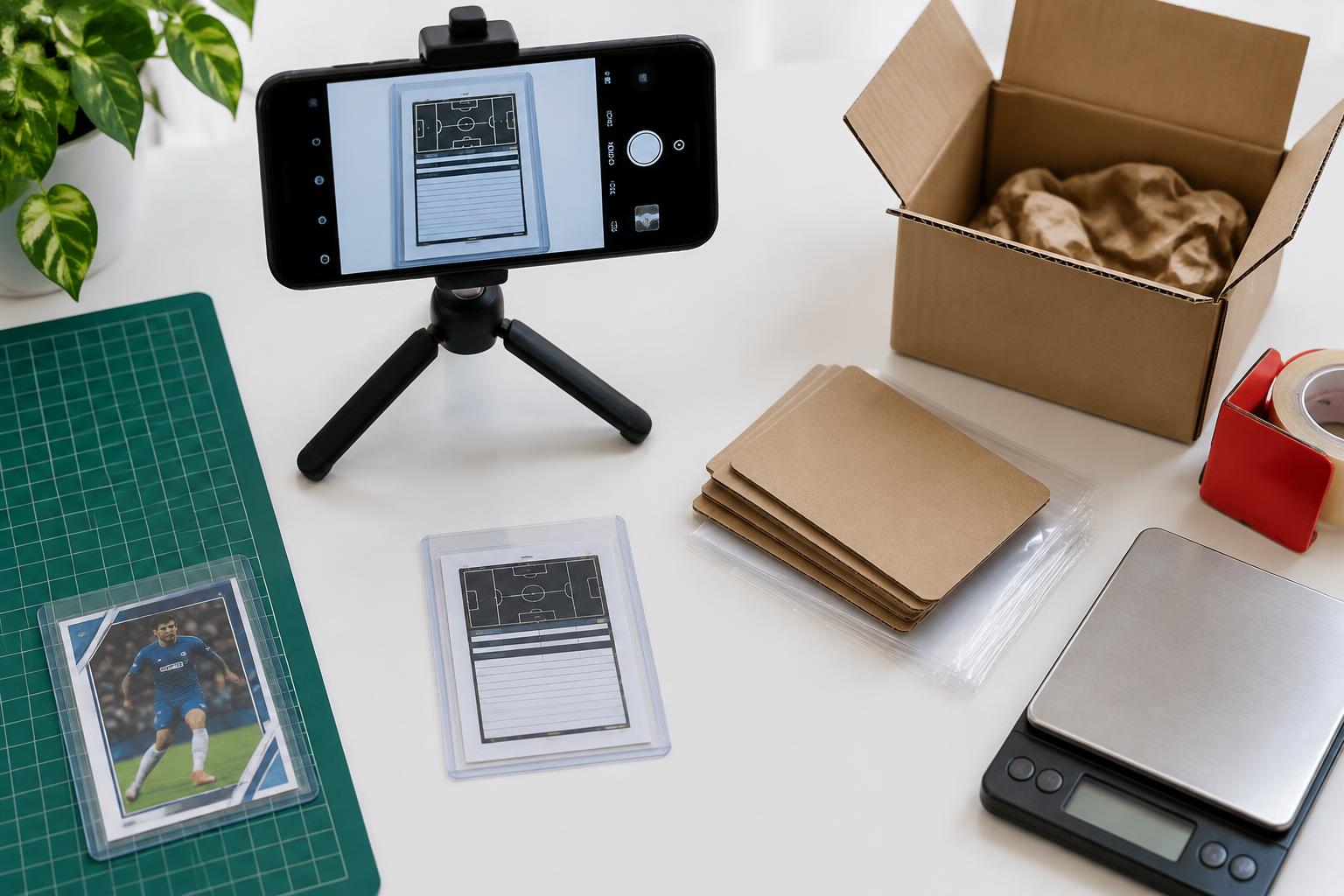
Selling a few duplicate football cards is different from running a regular card business. Before choosing a platform, decide what you are trying to do: move a single, clear a collection or sell repeatedly to an audience. Then work out what the cards actually are and what it will cost to send them. Good photographs and a precise description will not guarantee a sale, but they give a buyer something solid to judge. This guide covers the practical preparation for UK collectors without promising prices or quoting platform fees that may change.
Identify the card before listing it
Write down the player, manufacturer, full set, season and checklist number. Add the variation, serial stamp, autograph or memorabilia details where relevant. State whether the item is a card or sticker, raw or graded, and whether a signature was issued by the manufacturer or added later. A buyer searching for one precise version needs those distinctions. Our on-card vs sticker autograph guide helps describe signed items accurately. If you cannot identify a parallel, leave the claim uncertain and investigate rather than choosing the rarest-sounding name from another listing.
Find a realistic selling range
Use recorded sales of the same card where possible, not just the highest active asking price. Match the product, variation, condition and grade. Keep the dates and delivery costs alongside your notes, and be cautious with unusually high or isolated results. A sold listing is useful evidence of a transaction, not a guarantee that yours will sell at the same figure. Our football-card sold-price guide explains accepted offers and gaps in the evidence. If very few matching sales exist, you may need to test a price patiently rather than declare a precise market value.
Single cards, small lots or the whole collection?
Individual listings let buyers find exact cards, but each sale adds photography, messages and packing. A small, accurately described player or team lot can make sense for lower-value duplicates. Photograph what is included and give a clear count; avoid implying that a miscellaneous bundle guarantees valuable cards. A whole-collection sale may reduce the work but also attracts buyers who price in their own sorting time and resale costs. Compare the likely proceeds with the time you want to spend. This is a practical trade-off, not a rule that singles always earn more or lots always sell faster.
Take photographs buyers can use
eBay UK's trading-card seller guidance recommends clear views of the front, back, edges and corners. Photograph the actual card, not another copy or a manufacturer's image. Use even light, a plain background and enough detail to show surface marks. Add an angled view when glare hides the foil, autograph or damage. Show the grade label and holder for a slabbed card, while keeping unrelated private paperwork out of the shot. Do not edit out defects. A photograph that helps a buyer decide against a damaged card is still doing its job: the condition should be understood before money changes hands.
Write a useful title and condition description
Lead with the identity rather than ‘WOW’ or an unsupported investment claim. A sensible title names the player, season, product and number, then adds the relevant variation or grade. In the description, disclose known creases, corner wear, surface scratches, sticker-backing problems or holder damage. Avoid describing a raw card as a guaranteed future 10. State exactly what is included and use the platform's correct item specifics and condition options. Our RC explanation is useful if you are tempted to add rookie to every early-looking card. Accuracy matters more than filling the title with popular search words.
eBay listings or Whatnot live selling?
A searchable listing lets a buyer inspect one item in their own time. Live selling involves presenting items and handling sales in front of an audience, so confidence on camera and preparation matter too. Whatnot has an application process; check the current steps and account requirements rather than assuming a buyer account is already approved to sell. You can watch Craig on Whatnot to see the live format, but watching a show is not proof you will reach the same audience or prices. Start with a manageable group of clearly identified cards rather than buying more stock before you understand the process.
Calculate what you will actually keep
Work from likely sale proceeds, then allow for applicable platform charges, packing supplies, postage and any services you choose. Check the current terms for your account and location inside the platform before setting a minimum acceptable price. Private and business arrangements may differ, so do not copy a fee claim from an old social post. If you sell regularly, investigate the responsibilities that apply to your activity rather than assuming occasional-collector rules cover everything. A card selling for more than you paid is not automatically a profit once the other costs are counted. Our budget guide helps keep hobby spending separate.
Authentication and protection are conditional
eBay UK's trading-card Authenticity Guarantee applies to eligible listings, not every sale. Its seller page describes an inspection route through PSA for qualifying cards. Follow the instructions attached to the actual order, including where it must be sent; do not substitute an address from an old guide. Authentication, returns and seller protection are different things with their own conditions. Read the current UK rules and keep the listing photographs, correspondence and dispatch evidence. No badge should be treated as an unconditional promise against every dispute, shipping problem or financial loss.
Pack for the card and the platform
Use a sleeve and an appropriately fitted protective holder, then packing that stops movement and bending. Thick cards need suitable holders rather than being forced into narrow ones. Keep adhesive away from the card. Our card-care article covers ordinary protection; postage needs additional outer packaging. For Whatnot, use the current UK shipping instructions and the order's label and package settings. Check weight and dimensions accurately instead of guessing from another seller's parcel. Read the chosen carrier's coverage and exclusions before relying on insurance, and keep tracking and proof of dispatch.
A straightforward first sale
Choose one card you can identify confidently. Collect realistic comparisons, take honest photographs, explain its condition and calculate the delivered price and likely net proceeds. Recheck the order instructions before packing, then save the records. If it does not sell, review the price and description before assuming you need a more dramatic claim. Selling duplicates can help fund a collection, but it should not create pressure to recover every opening through another purchase. Repacks and sealed products are uncertain openings, not a guaranteed source of profitable stock. Start small and learn what buyers actually need to know.
Sources and further reading
- eBay UK: trading-card photographs, condition and eligible authentication ↗
- eBay: creating an accurate listing (general guidance) ↗
- Whatnot: apply to sell ↗
- Whatnot: UK seller shipping instructions ↗
References checked on 4 November 2026. This guide is published by a football-card repack seller; it is not a manufacturer checklist or investment advice.
More collecting guides
Collecting · 4 November 2026
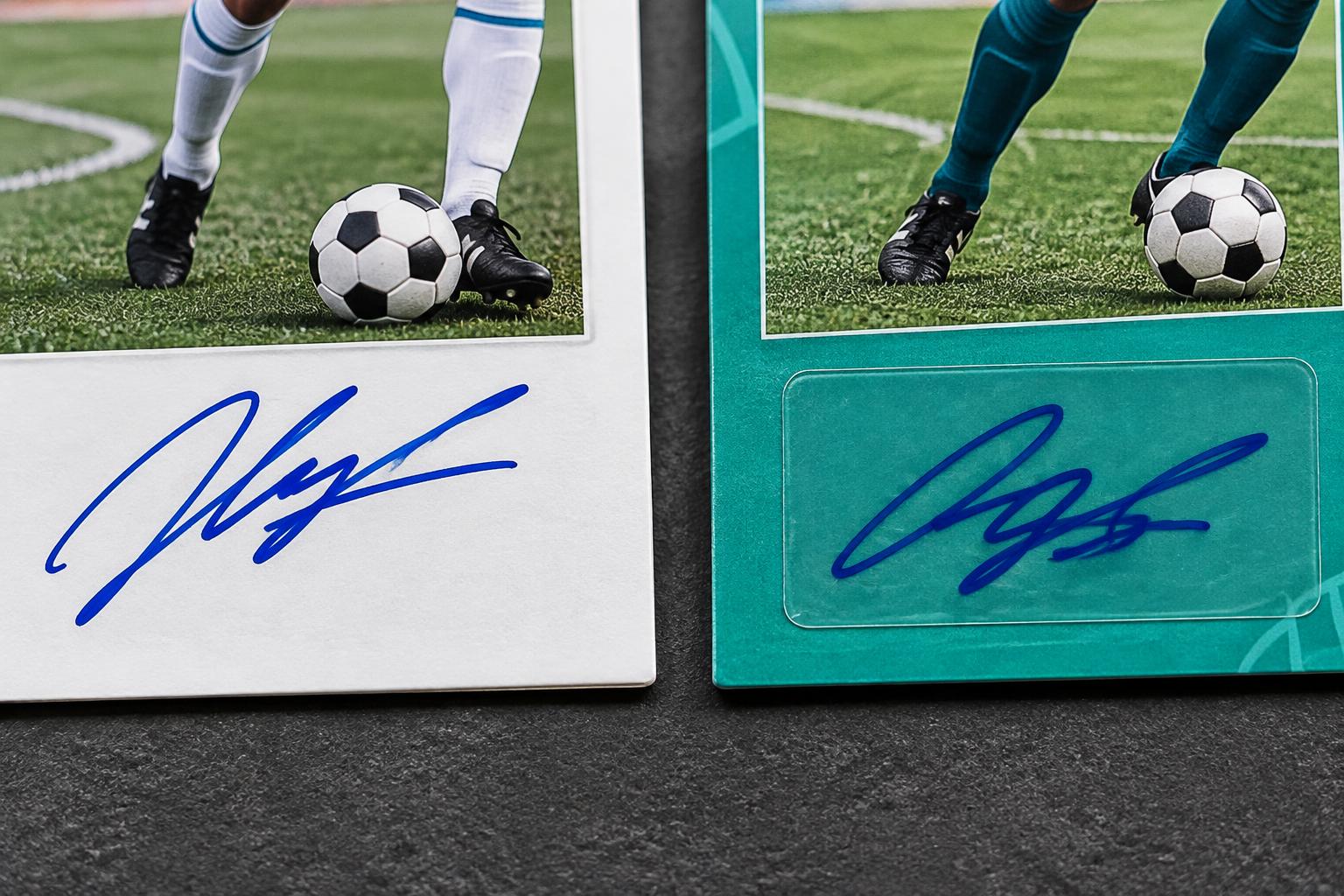
On-card vs sticker autographs explained
Understand on-card and sticker autographs in football cards, check who certifies a signature, and compare condition and sold prices without assuming a premium.

Collecting · 3 November 2026
How to check football cards value
Find football card values using comparable sold listings, not hopeful asking prices. Check the exact set, parallel, grade, date and delivery cost.
Beginners · 3 November 2026
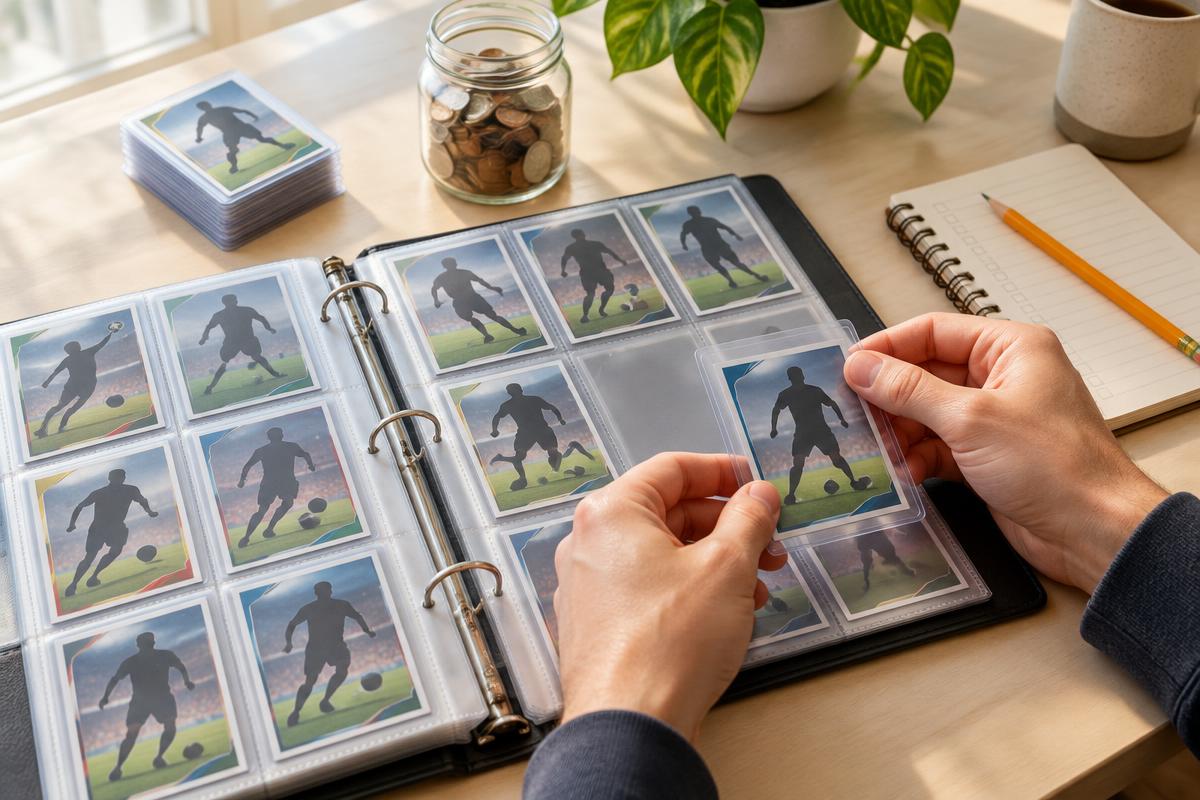
Football card collecting on a budget
Build a football card collection you enjoy with a spending limit, focused singles, sensible swaps and fewer impulse buys, without chasing returns.
New to Whatnot?
Claim your free credit.
Sign up through the link and Whatnot drops credit on your account for your first show.