Collecting · 4 November 2026 · 5 min read
On-card vs sticker autographs explained
Understand on-card and sticker autographs in football cards, check who certifies a signature, and compare condition and sold prices without assuming a premium.
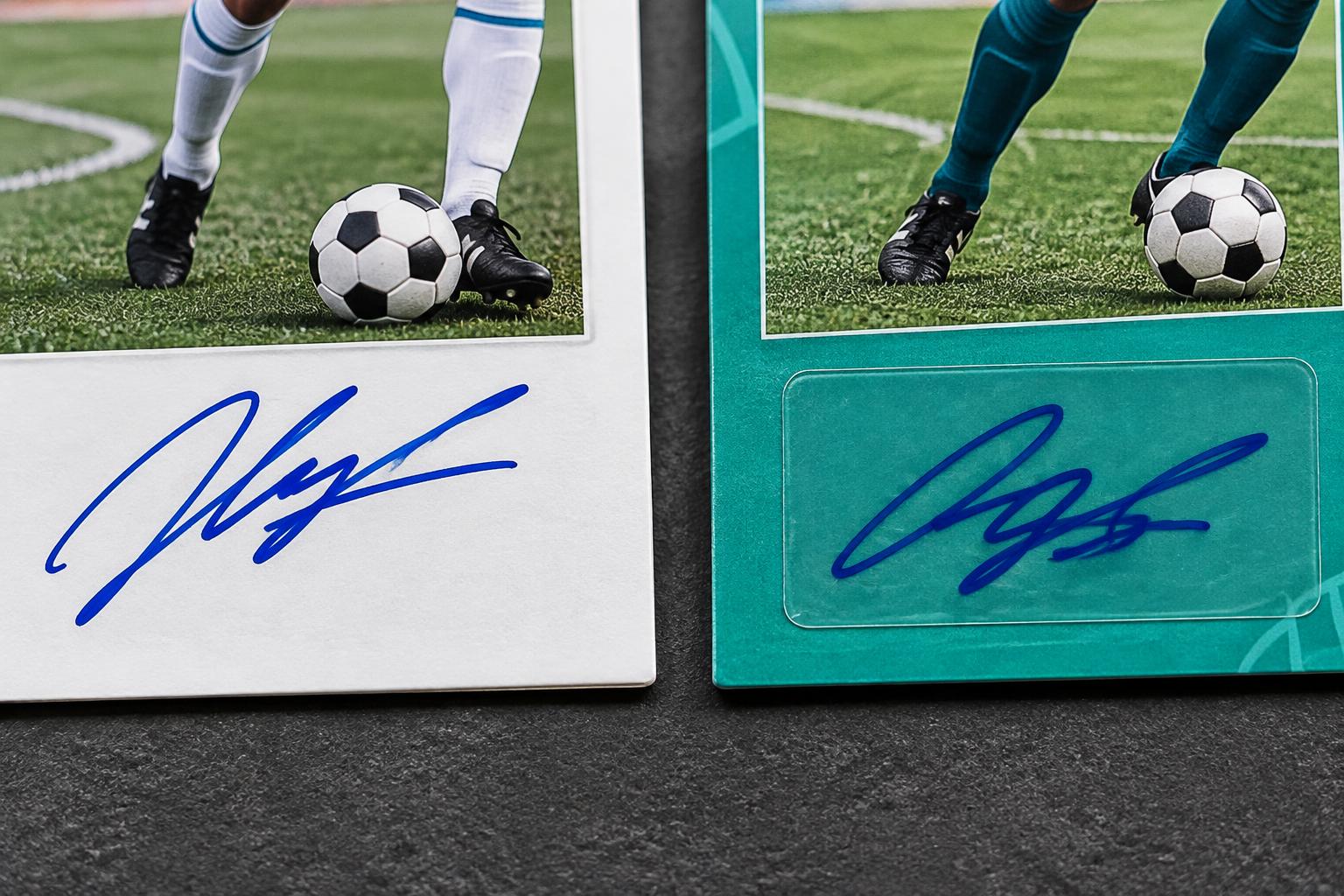
Two football cards can both carry a real signature without being signed in the same way. With an on-card autograph, the player signs the card itself. With a sticker autograph, the player signs a separate sticker that is later attached to the card. That is the basic difference. It does not, by itself, tell you which card is genuine, rarer or worth more. If you are looking at a signed rookie, a favourite legend or a patch autograph, keep three questions separate: where is the ink, who stands behind the signature, and what exact card are you buying?
What is an on-card autograph?
Topps describes an on-card autograph as a signature written directly onto the card. The appeal for some collectors is simple: the signed object and the collectible are the same physical item. You might also prefer a design that leaves a generous area for the ink. Those are reasonable preferences, not an obligation to pay more. On-card does not mean the player signed the card in front of you, and it does not prove a particular certification process. Read the manufacturer's wording or authentication evidence rather than filling in a story about when and where the signing happened.
What is a sticker autograph?
For a sticker auto, the signature is applied to a separate label before that label is attached to the card. Topps explains that this gives manufacturers flexibility in the signing and production process. It is not the same as a printed reproduction of a signature. A properly described manufacturer-issued sticker auto can contain real ink from the player, just like an on-card auto. Equally, the presence of an adhesive label is not enough to authenticate an unknown item. Check the card's description and provenance. Avoid the shortcut that all sticker autos are fake, or that every sticker with a signature is certified.
How to tell which type you are looking at
Look for the edge of a transparent or foil label around the signature, and ask for an angled photograph if glare obscures it. On-card ink is written on the card surface rather than a separate applied label. A photograph can still be inconclusive, particularly on a busy design, so compare the listing with the exact product information. Do not decide from the set's reputation alone: a brand can include different autograph groups, seasons and formats. Ask the seller to clarify their description before paying. A clear answer is more useful than a confident guess based on a tiny marketplace thumbnail.
Signing format is not authentication
A manufacturer-issued autograph insert and a base card signed later are different collecting items. Both might be on-card, but their evidence trails differ. The historical PSA article linked below discusses the manufacturer's role in issued autographs; it is context, not a substitute for today's service rules. If a card has a third-party label, establish what was assessed: the card, the autograph, or both. Check the provider's current explanation of that label and its certificate record. Neither a high card grade nor the phrase ‘on-card’ should be treated as proof of every claim made about the signature.
Are on-card autographs worth more?
Some collectors prefer them, and a particular example may sell for more than a sticker auto they are considering. There is no fixed premium that can honestly be applied to every football card. PSA's general autograph-value guidance emphasises factors such as rarity, condition and eye appeal; it is not a football-specific on-card price study. Compare recorded sales of the actual items. If one card is a low-numbered rookie and the other is an unnumbered later issue, you have not isolated the effect of the signing format. Our sold-price guide explains how to keep those comparisons useful.
Read the signature and the condition
Examine the ink for visible fading, smudging or an incomplete signature, and inspect the surrounding card as well. For a sticker, look at placement and any visible damage to the label. For on-card ink, check how it sits on the design and whether surface marks make it harder to see. These are observations about the particular item, not predictions that one format always lasts longer. Ask for photographs under different light rather than accepting a seller's grade prediction. The PSA 9 vs PSA 10 explanation also helps separate condition labels from the price you personally want to pay.
Patch autographs need a second check
An autograph and a piece of memorabilia are separate features. A signed patch card being on-card does not establish that its patch was worn in a match. Read the memorabilia wording independently, including any qualification about the player, event or game. Our match-worn, player-worn and memorabilia guide explains why those phrases should not be swapped around. Likewise, a serial stamp identifies the numbered run, not a signing method. The serial numbers guide covers that distinction. A short checklist is better than letting several impressive-looking features blur into one unsupported claim.
Redemptions and aftermarket signatures
If you are offered a redemption, you are buying a claim route rather than an in-hand signed card. Do not infer an on-card format from a photograph of a different finished example. Check the redemption's exact description and the manufacturer's terms; our Topps redemption guide covers codes, expiry and delivery uncertainty. For an aftermarket signature, ask what evidence is included and what any authentication service actually confirms. An autograph added later should be described as such when you sell a football card, rather than presented as a factory-issued insert.
Choose the autograph you actually like
You do not need to dismiss sticker autos to enjoy on-card ones, or justify every purchase with a resale theory. Choose a player, design and budget, verify the item, then decide whether the asking price makes sense for that card. A well-presented sticker auto might suit your collection better than an on-card card you do not particularly like. You can see different kinds of cards in Craig's live openings, but repacks do not guarantee a particular player or signing format. The useful habit is reading the actual card, not buying the label that sounds most impressive.
Sources and further reading
- Topps Ripped UK: on-card vs sticker autograph cards ↗
- PSA: manufacturer-issued autograph authentication context (historical article) ↗
- PSA: factors affecting autograph values ↗
References checked on 4 November 2026. This guide is published by a football-card repack seller; it is not a manufacturer checklist or investment advice.
More collecting guides
Collecting · 4 November 2026
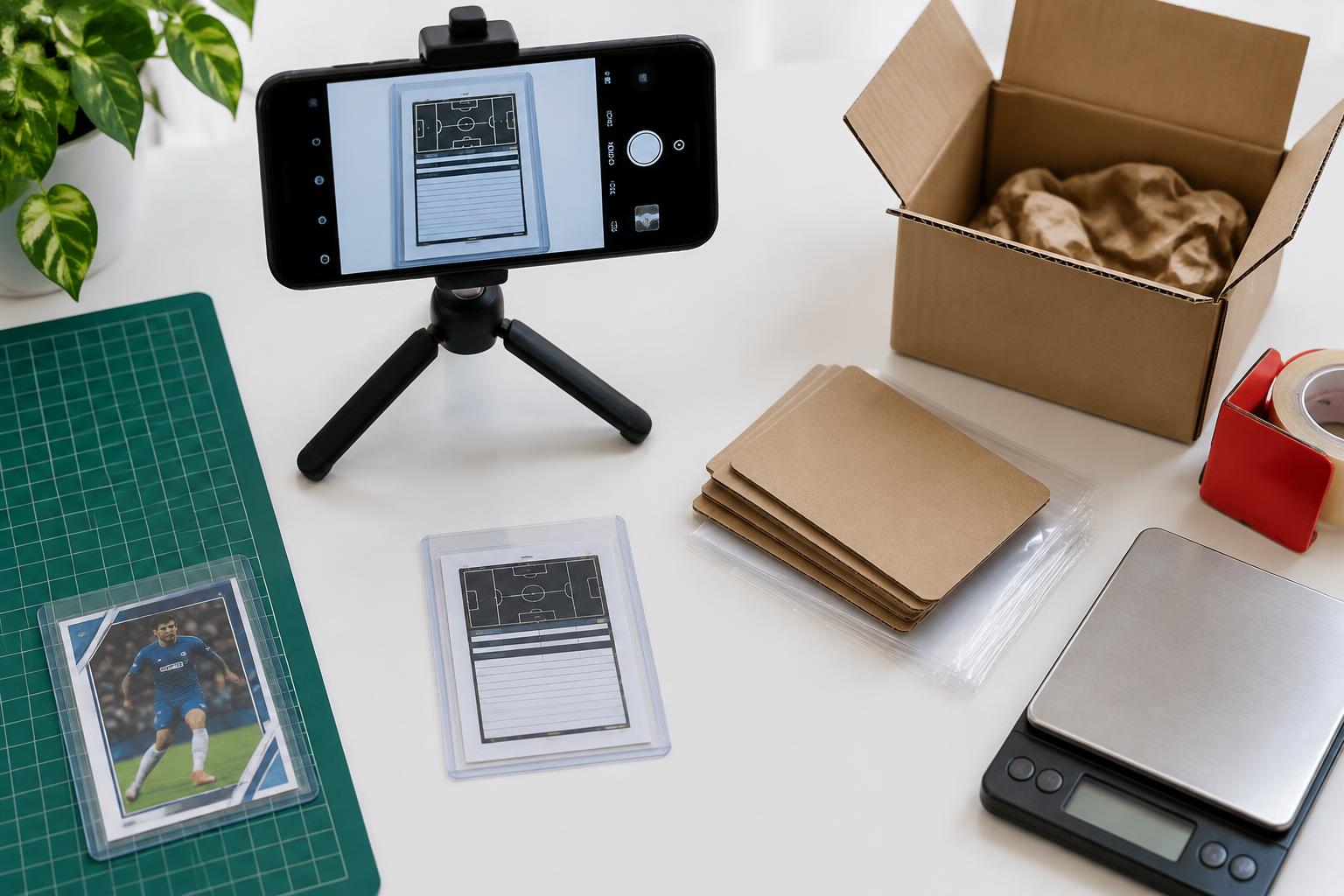
How to sell football cards in the UK
Sell football cards with clear photos, accurate descriptions and realistic prices. Compare eBay and live selling, plan postage and check current UK terms.

Beginners · 4 November 2026
Topps redemption cards: football guide
Understand Topps redemption cards, submit a code safely, check the expiry rules and know what to ask before buying an unredeemed football autograph.
Collecting · 3 November 2026
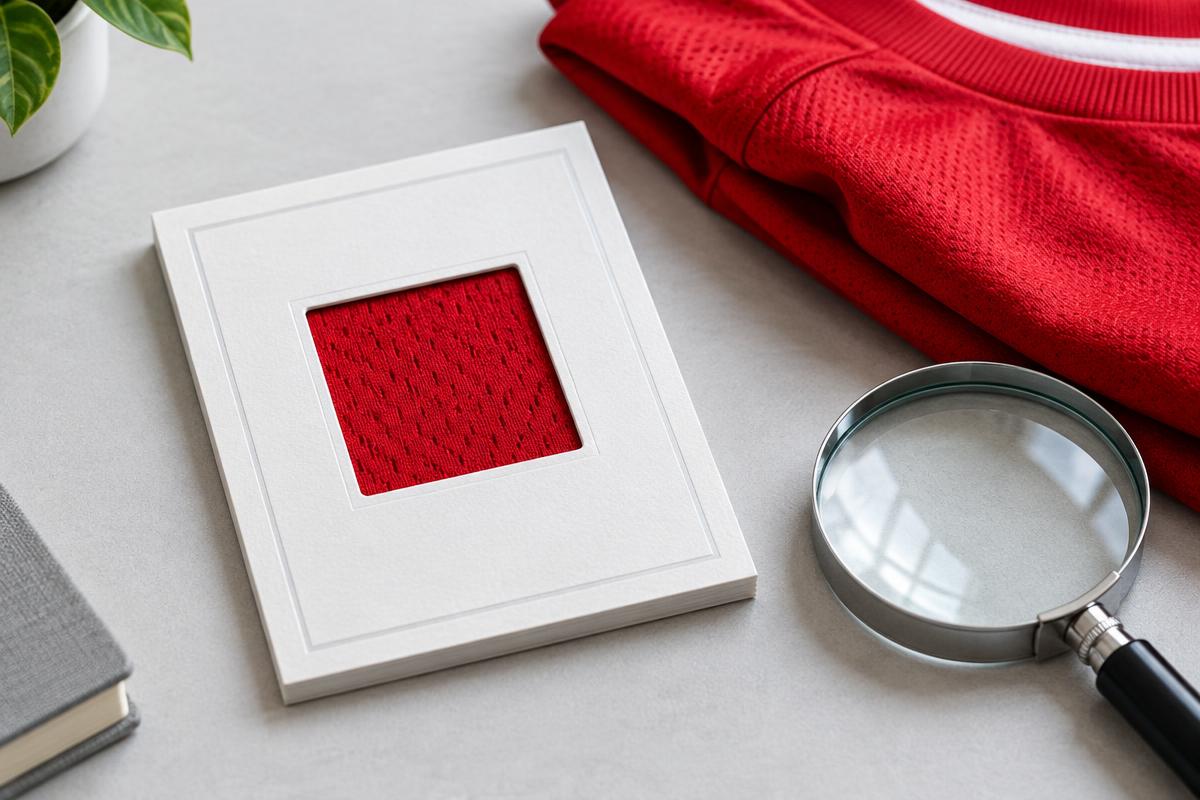
Match-worn vs player-worn football cards
Read football relic-card wording properly: match-worn, player-worn, event-worn and memorabilia, plus the checks to make before buying a patch card.
New to Whatnot?
Claim your free credit.
Sign up through the link and Whatnot drops credit on your account for your first show.