Collecting · 6 November 2026 · 5 min read
SGC vs PSA: football card grading UK
Compare SGC vs PSA for football cards from the UK: submission costs, declared value, resale evidence and when keeping a card raw makes more sense.

Choosing between SGC and PSA is not just a question of which holder looks better. For a football-card collector in the UK, the useful comparison is the exact card, the full submission cost and what you want to do with it afterwards. Both companies offer card grading, but a grade is an opinion under that company's standards, not a promise of profit. Start with a simpler question: would you still want this card graded if the result came back lower than you hoped? If not, stop and work through the numbers before sending it away.
SGC vs PSA: the short answer
Compare the current submission route and total cost for both services, then look for completed sales of the same football card in the relevant holders and grades. Neither a general claim that one company is better nor an impressive sale of a different card answers your question. If the card is staying in your personal collection, slab appearance and your preferred service may matter more than resale. If you plan to sell, evidence from comparable transactions matters more than arguments on social media. A rare card with little sales history may leave you with uncertainty rather than a clear winner.
Compare the same card, not just the same player
A PSA-graded Messi autograph and an SGC-graded Messi base card are not a meaningful price comparison. Match the year, product, card number, autograph or memorabilia type, parallel and serial-number limit first. Then compare the grade and, where possible, similar sale dates and selling venues. Use our football card value guide to separate completed sales from asking prices. Even properly matched sales are historical evidence, not a guaranteed price when your own card returns. One unusually high result can reflect several determined bidders rather than a dependable market.
The UK cost is bigger than the grading fee
Build a written estimate that includes the service fee, outward postage, suitable packaging, insurance, return delivery and any intermediary charges. Ask how any applicable cross-border charges are handled for your chosen route; do not assume every submitter has the same arrangements. Currency conversion can also change the final amount. For a modestly priced single, these costs can be more important than a small difference between advertised grading fees. Splitting shared shipping across a batch can reduce a per-card estimate, but it does not make unnecessary submissions free. Keep a budget for the whole batch, not just the card you are most excited about.
Read declared-value limits and current service terms
SGC and PSA publish service levels with their own value limits and turnaround estimates. Check the live official pages before paying: the information can change, and the appropriate tier depends on the company's current rules. Read what the service means by declared or maximum insured value, how changes are handled and what the shipping cover actually protects. Do not deliberately understate a valuable card to squeeze it into a cheaper tier. If you are using a UK intermediary, get its own terms as well as the grading company's. Know who holds your card, who submits it and who deals with a lost parcel or disputed charge.
Turnaround estimates are not delivery dates
An advertised number of business days does not necessarily describe the entire time your card will be away. Outward shipping, intake, an intermediary's batch schedule and return shipping may sit outside that estimate. Ask where the clock starts and whether the quoted period is an estimate or a commitment. Avoid building a sale around a predicted return date, especially for a player whose prices are moving quickly. If you need the card available for a particular show or sale, keeping it raw may be more practical than trying to force a grading timetable to fit.
A ten is not something you can order
Inspect the front and back under sensible light before deciding. Look at centring, corners, edges and surface defects, but recognise that a home inspection cannot determine the final grade. A pack-fresh card can have manufacturing problems; a clean-looking photograph can hide a scratch. Read each company's standards rather than treating similar grade numbers as identical assessments. Our PSA 9 vs PSA 10 guide explains why the difference can matter without assuming every nine should be resubmitted. Buying an already graded example can sometimes be a more predictable way to obtain the grade you want.
When keeping the card raw is sensible
There is nothing unfinished about an ungraded collection. A well-protected base set, a club binder or a favourite autograph can be enjoyable without another paid service. Consider staying raw if the likely selling price cannot comfortably cover the total submission cost, if you prefer handling a binder, or if the card's condition already shows substantial damage. Do not clean, press or alter a card to chase a better result. Everyday protection and grading preparation are different jobs; our card storage guide covers sleeves and fitted holders, while the selected grading service's instructions should govern your actual submission.
Your decision checklist
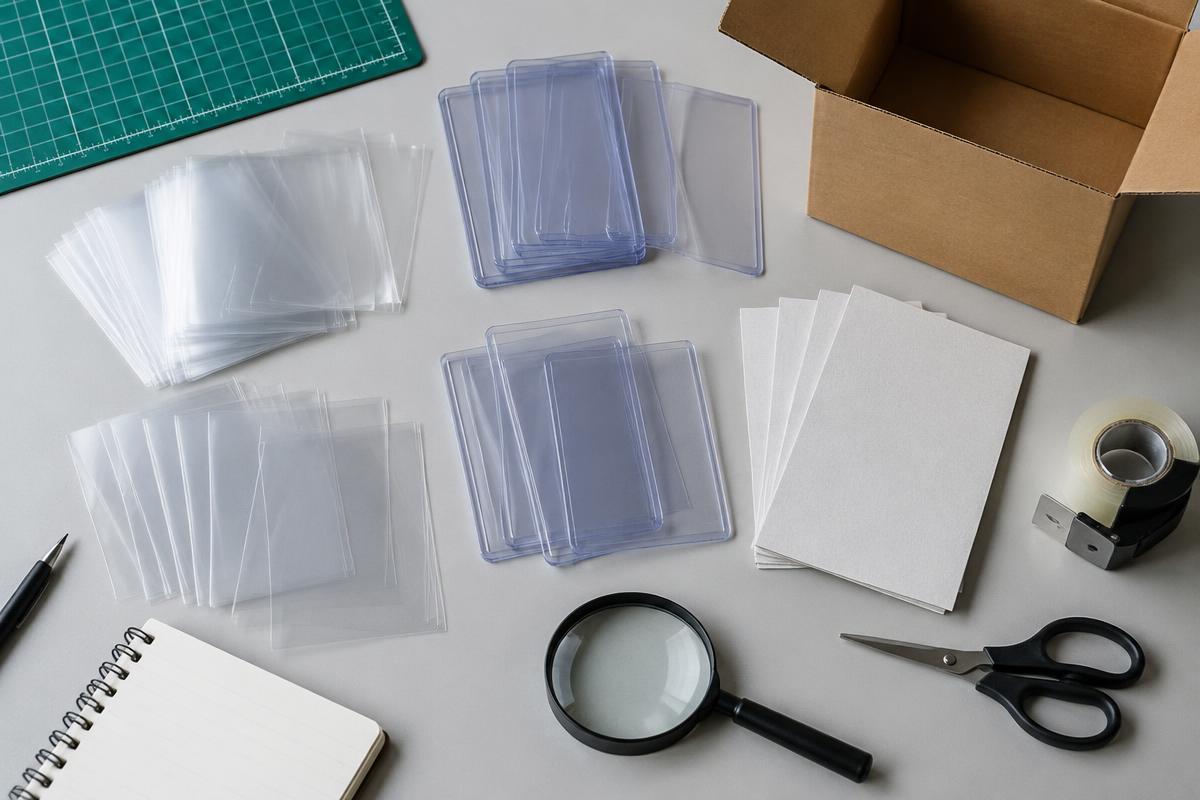
Identify the exact card; examine its condition; check comparable raw and graded sales; write down the full costs for each submission route; read live service and insurance terms; allow for a lower-than-hoped grade; and decide whether grading still suits your collection. Save that estimate with your submission records. If the comparison only works at a perfect grade and a record sale price, it is too optimistic. The best choice between SGC and PSA is the one that fits this particular card and your purpose, not the loudest opinion about slabs. Cover image: an illustration, not photographs of actual graded products.
Sources and further reading
- SGC: current grading services and pricing ↗
- PSA: trading-card service levels and submission terms ↗
- PSA: grading standards ↗
References checked on 6 November 2026. This guide is published by a football-card repack seller; it is not a manufacturer checklist or investment advice.
More collecting guides
Collecting · 4 November 2026
Football card grading UK: PSA and CGC
Get football cards graded from the UK: compare PSA and CGC submission routes, total costs, safe packaging and the checks to make before sending cards.

Collecting · 3 November 2026
How to check football cards value
Find football card values using comparable sold listings, not hopeful asking prices. Check the exact set, parallel, grade, date and delivery cost.

Collecting · 3 November 2026
PSA 9 vs PSA 10 football cards
Understand PSA Mint 9 and Gem Mint 10 football cards, compare condition and sold prices, and decide whether a higher grade fits your collection.
New to Whatnot?
Claim your free credit.
Sign up through the link and Whatnot drops credit on your account for your first show.