Collecting · 8 November 2026 · 4 min read
Raw vs graded football cards
Choose raw or graded football cards with a practical look at authentication, condition grades, slab checks, UK submission costs and collecting goals.
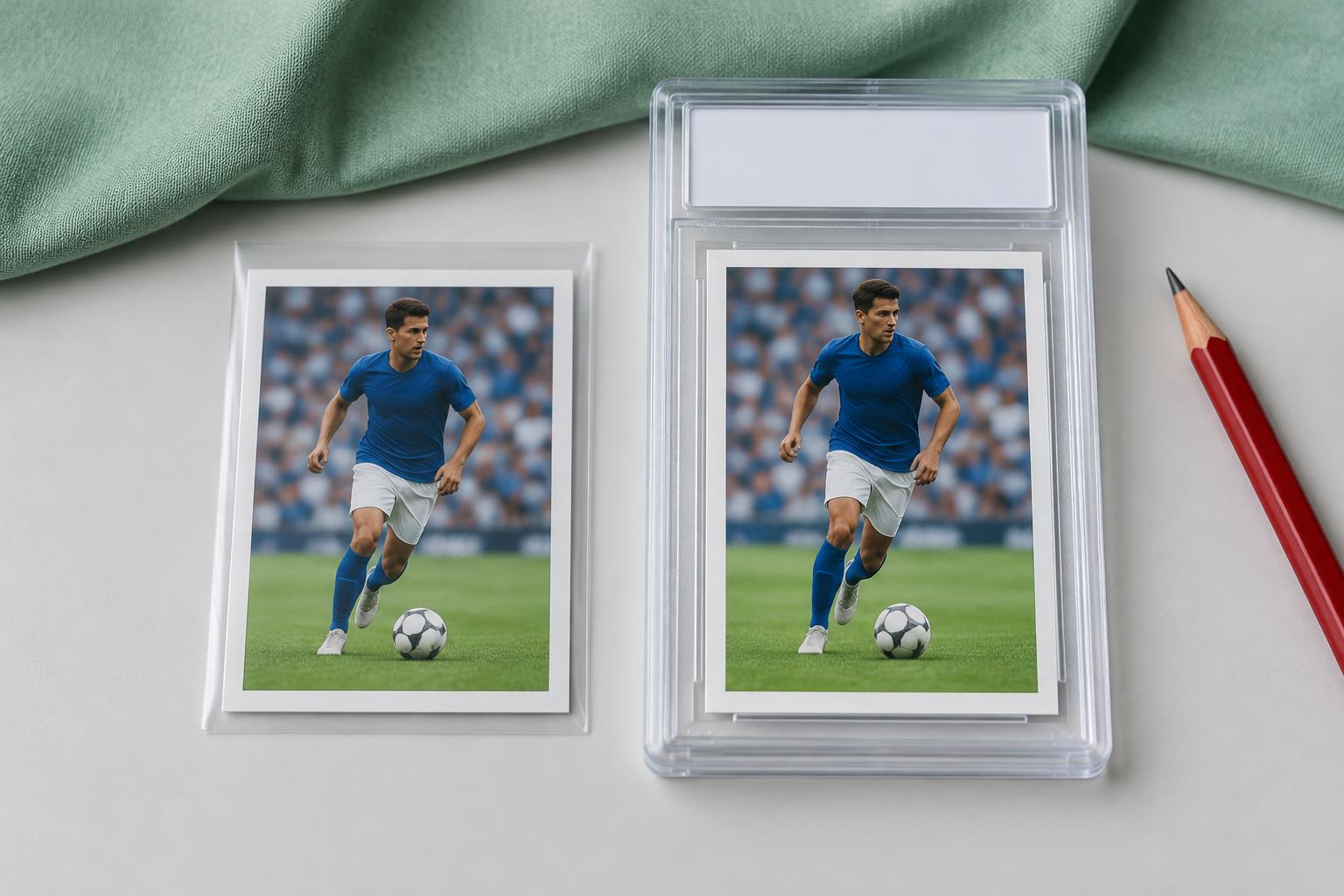
Raw vs graded football cards comes down to purpose and cost. Raw means ungraded—not unprotected. A graded card has an assigned assessment from a grading company, normally in a labelled slab. Keeping a binder raw is perfectly sensible; paying for authentication or a condition opinion may suit a different collecting goal.
Raw vs graded cards: a quick comparison
A holder alone is not a grade, and a seller’s “would grade ten” prediction is not a result.
| Question | Raw card | Graded card |
|---|---|---|
| Condition information | Seller description and your inspection of clear photos. | An assigned assessment under the named company’s standards. |
| Protection | Can use a sleeve, fitted holder or binder. | Normally encapsulated, but the slab can still scratch or crack. |
| Cost | No submission bill simply to keep it raw. | Purchase premium or submission, delivery and other costs to assess. |
| Best fit | Binders, swaps and collections where grading serves no specific need. | A documented condition opinion or authentication where that service suits the card. |
| Resale | Depends on the exact card, condition and demand. | Grade can affect comparisons; it does not guarantee profit. |
Authentic vs a numerical grade
PSA describes authentication as assessing whether a card is genuine and grading as assessing condition on its ten-point scale. Other companies have their own standards. Read the full label, not just the case.
| Designation | Meaning | Do not assume |
|---|---|---|
| Numerical grade | An assigned condition assessment under the company’s standards. | That an identical-looking grade from another company is interchangeable. |
| Authentic | Authentication without a numerical condition grade in the circumstances the service defines. | That it means PSA 1, mint condition or no alteration information. |
| Autograph assessment | Read what the label and service actually assessed. | That card authentication automatically authenticates every signature. |
How to check a PSA graded card
Enter the certification number in PSA’s official lookup. Compare the record with the pictured card and full label: player, season, product, identifier and designation. Use images where available, and inspect the physical holder for inconsistency or damage. A matching number is useful evidence, not proof by itself that the seller holds the item in that record. PSA’s guarantee has conditions and exclusions.
Is grading worth the cost from the UK?
Work out the total for your actual submission route. Check current service availability, declared-value tiers and turnaround terms rather than relying on an old screenshot. Our UK grading guide covers the process.
| Cost or risk | Include in your decision |
|---|---|
| Service fee | The appropriate current tier and its declared-value rules. |
| Shipping and handling | Outward/return delivery, packaging, cover and any intermediary charge. |
| Cross-border costs | Applicable charges and currency conversion for the chosen route. |
| Outcome | A lower grade, no numerical grade or an issue found during assessment. |
| Timing | The full journey, not just an advertised processing estimate. |
Should you buy graded or submit a raw card?
Buying an already graded card avoids guessing your own submission’s outcome, but still requires seller, certification and price checks. Use our PSA 9 vs PSA 10 guide for grade comparisons and SGC vs PSA guide for submission choices.
| Your situation | A reasonable route |
|---|---|
| You want a particular assigned grade | Compare already graded examples after checking the exact card and slab. |
| You enjoy an affordable club binder | Keep cards raw with suitable protection. |
| You want an assessment of a specific card | Investigate the appropriate grading/authentication service and full cost. |
| The plan only works if it gets a ten | Recalculate with a disappointing outcome before paying. |
Do graded cards always sell for more?
No universal rule establishes that for every football card. Match completed sales by year, set, player, identifier, parallel, condition and grade. The gap between two sale prices is not automatically profit after purchase, submission and selling costs. Our sold-price guide explains the evidence. For scarce cards, comparable sales may be too thin to support a confident figure.
The decision before the slab
Choose a collecting purpose, inspect the card, calculate all costs and allow for a result below your hopes. Do not clean, press or alter it to chase a grade. A pack-fresh card can still have defects. Keep both raw cards and slabs away from damp and direct sun; see safe card storage. Cover: illustrative generic holders, not an actual PSA grade.
Sources and further reading
- PSA: card authentication and grading ↗
- PSA: grading standards and Authentic designations ↗
- PSA: certification verification ↗
- PSA: Authenticity and Grade Guarantee terms ↗
- PSA: frequently asked questions ↗
References checked on 8 November 2026. This guide is published by a football-card repack seller; it is not a manufacturer checklist or investment advice.
More collecting guides
Collecting · 6 November 2026
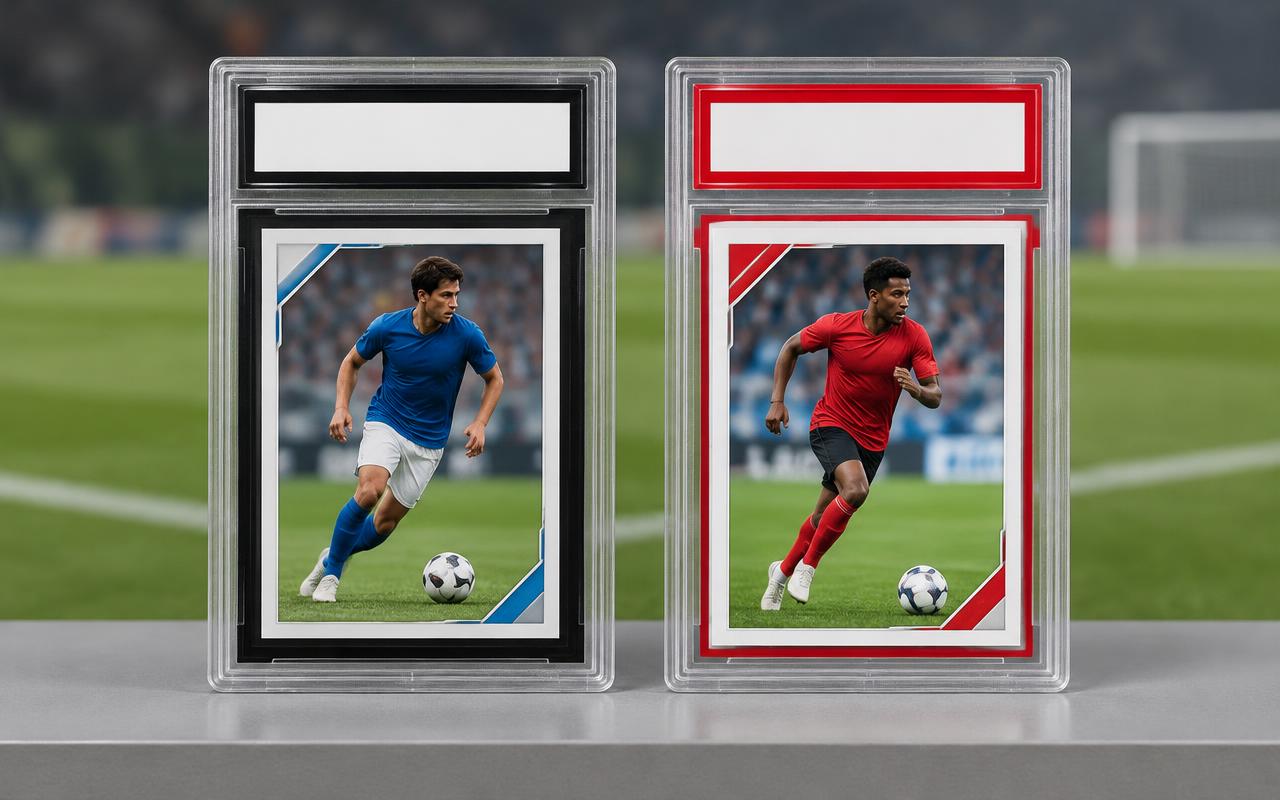
SGC vs PSA: football card grading UK
Compare SGC vs PSA for football cards from the UK: submission costs, declared value, resale evidence and when keeping a card raw makes more sense.
Collecting · 4 November 2026
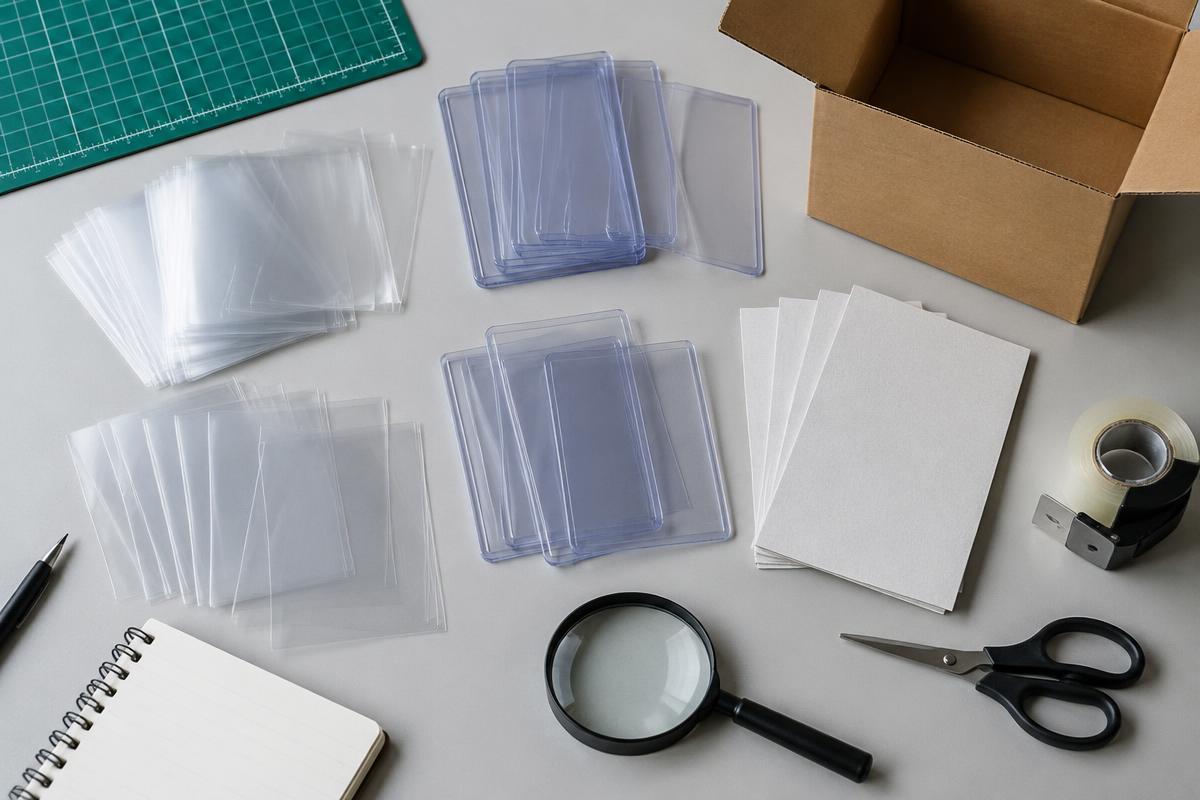
Football card grading UK: PSA and CGC
Get football cards graded from the UK: compare PSA and CGC submission routes, total costs, safe packaging and the checks to make before sending cards.

Collecting · 3 November 2026
PSA 9 vs PSA 10 football cards
Understand PSA Mint 9 and Gem Mint 10 football cards, compare condition and sold prices, and decide whether a higher grade fits your collection.
New to Whatnot?
Claim your free credit.
Sign up through the link and Whatnot drops credit on your account for your first show.