Collecting · 9 November 2026 · 5 min read
PSA population report: football guide
Read PSA population reports for football cards, check the right parallel and grade, and understand why a low PSA 10 count is not the total print run.

A PSA population report shows how many examples PSA records as graded within a particular card category and grade. It is useful for checking a seller’s ‘low pop’ claim, but it is not the card’s total print run. Ungraded copies and copies assessed by other companies are outside that PSA count. Before a small number persuades you to pay more, make sure you have found the exact card and understand what the number measures.
What does ‘pop’ mean on a football card listing?
Pop is shorthand for population. A listing saying ‘PSA 10 pop 3’ is making a claim about three examples recorded at that grade, not necessarily three copies of the card in existence. The claim also needs a date: further grading can change a report. ‘Pop 1’ is not interchangeable with a manufacturer-stamped 1/1. Our serial numbers guide explains the production notation; the population report describes a different stage of the card’s life.
| Number | What it describes | What it does not prove |
|---|---|---|
| Print run | Production for a defined card or edition | How many survive in a particular condition |
| PSA grade population | PSA records at that grade for the identified entry | Total copies across raw cards and other graders |
| Report total | The scope of the total displayed in that report | An individual player or parallel count without checking its row |
| Certification number | A record to look up for an assessed item | Production quantity or the seller’s possession of that item |
How to use the PSA population report
Open PSA’s official Population Report and search for the product rather than trusting a cropped screenshot. UK association-football cards are commonly organised under Soccer Cards; Football Cards can instead lead you to American-football sets. Match the year or season, manufacturer, set, player, card identifier and variety. Then check the parallel or autograph section. Two cards with the same photograph can have different records, and a base-set count is not the population for a coloured parallel.
How to read the grade columns
Follow the report’s own labels. PSA’s cited soccer page distinguishes whole-number grades and Authentic designations, half-point grades, and qualifiers. A number in the 10 column and a total for the row answer different questions. Read the headings and any separate lines instead of adding values casually or assuming a large set-level total refers to your card. The PSA 9 vs PSA 10 guide covers the condition comparison; population does not replace the grading standards.
Does low population mean a rare card?
Not by itself. A low count can reflect limited production, difficult condition, little submission activity or other circumstances. The report alone cannot distinguish all of those possibilities. An affordable base card may have a small graded population simply because collectors have not chosen to pay for grading many copies. Conversely, a heavily submitted issue can have a large graded count without telling you how much ungraded stock remains. Treat population as one piece of evidence, alongside a verified checklist and any documented production information.
Why the variety note matters
PSA warns that it sometimes began recognising a variety after it had already graded examples of the issue. Earlier records may therefore not reflect that variety accurately. Its report explains that re-holdering previously graded cards to include the new information can improve the data. That is a specific classification caveat, not permission to invent a correction to the displayed total. If your purchase depends on a tiny population, read the note and compare the card’s label with the recognised entry. Our checklist research guide helps establish which version you are dealing with.
Can you calculate a PSA 10 rate?
You can calculate the share recorded at grade 10 within a clearly defined report entry, provided you explain the denominator you used. That figure describes the recorded graded group. It is not a forecast of your own card’s outcome and does not establish the chance that a random unopened pack contains a gem-mint card. Submitted cards are not necessarily a random sample of everything produced. Inspect your card on its own merits rather than treating a percentage as a grading promise.
Does a low PSA 10 count justify a premium?
It may be relevant to a buyer, but it does not set a price. Demand for the player, set and exact version still matters. Compare actual completed sales, not a ‘population one’ headline attached to an unsold listing. Make sure each comparison matches grade and parallel. If there are no useful sales, say so rather than multiplying a raw-card price by an invented rarity factor. You can use our sold-price guide to build a more honest comparison.
Check the slab as well as the population
Use PSA’s official certification lookup for the number on the holder. Compare the returned description with the photographed card, label and grade, using record images where available. The population report is not a seller-verification tool. A matching certification number does not by itself prove that the seller possesses the genuine item in the record. Ask for clear, current images and use a supported buying process. The raw vs graded guide explains why a holder and an assigned assessment are different from a guaranteed problem-free purchase.
A sensible way to save your research
Record the exact report entry, grade, displayed count and date you checked it, plus the certification details for the item you intend to buy. Keep the manufacturer checklist separate. If the count later changes, your note remains a dated observation rather than a permanent claim about scarcity. Use the report to ask better questions, not to turn a football card into a certainty. Cover: illustrative generic slabs and a chart, not genuine PSA labels or live population data.
Sources and further reading
- PSA: Population Report ↗
- PSA: population in perspective ↗
- PSA: 2023–24 Panini Select Serie A Artistic Impressions soccer report and variety caveat ↗
- PSA: certification verification ↗
- PSA: grading standards ↗
References checked on 9 November 2026. This guide is published by a football-card repack seller; it is not a manufacturer checklist or investment advice.
More collecting guides
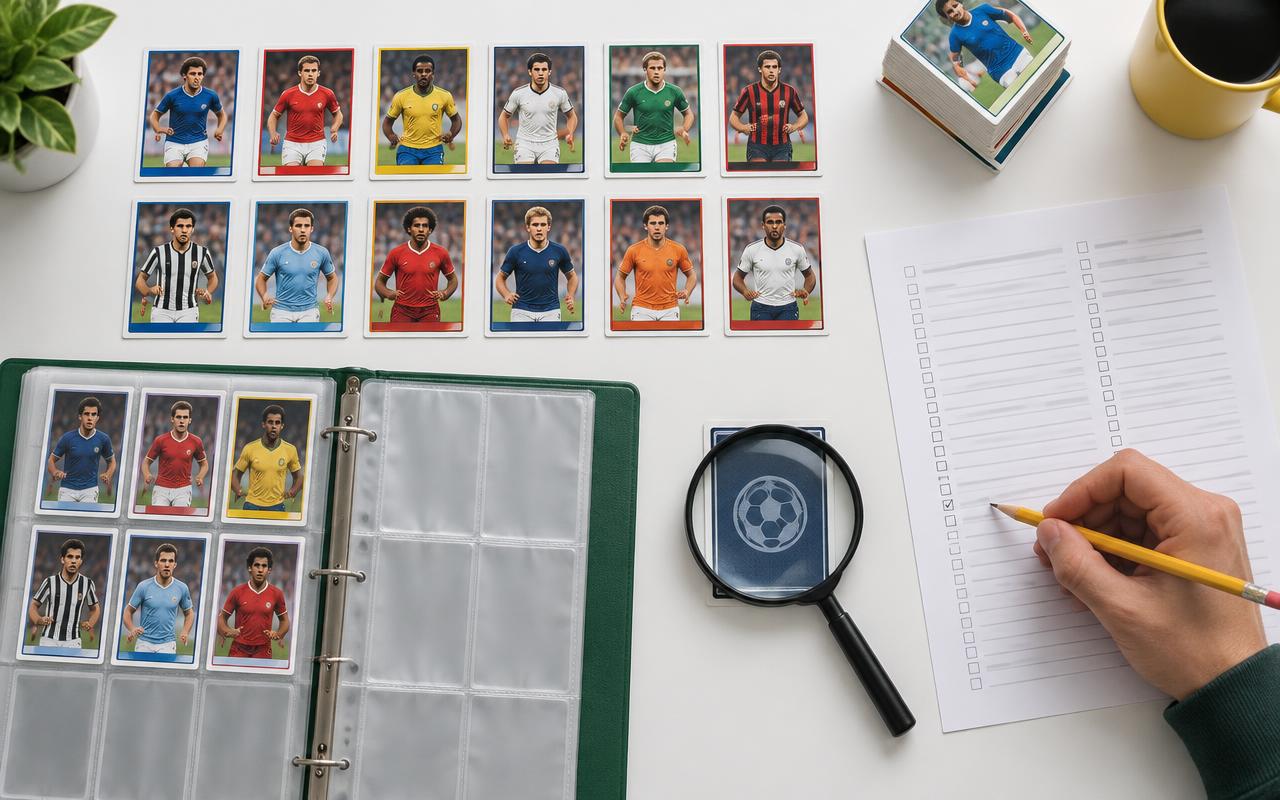
Collecting · 6 November 2026
Football card checklists and short prints
Use football card checklists to identify sets, parallels and image variations. Check SP and SSP claims without confusing card numbers with print runs.

Collecting · 3 November 2026
PSA 9 vs PSA 10 football cards
Understand PSA Mint 9 and Gem Mint 10 football cards, compare condition and sold prices, and decide whether a higher grade fits your collection.
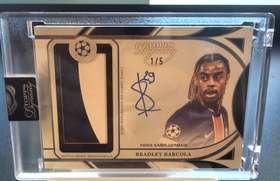
Beginners · 29 October 2026
Football card serial numbers explained
What do /99, /25 and 1/1 mean on football cards? Learn to read serial numbers, identify parallels and compare the right cards before buying.
New to Whatnot?
Claim your free credit.
Sign up through the link and Whatnot drops credit on your account for your first show.